Column · @underfootliving
How Carpet Mold Cleanup Differs in Apartments vs. Rental Homes
Understanding the Differences in Mold Remediation
Mold in carpet is a common issue in rental properties, but the approach to fixing it varies significantly depending on whether you are dealing with an apartment or a single-family rental home. The scale of the problem, the building structure, and the responsibilities of tenants versus landlords all shape the remediation process. For anyone facing this issue, knowing these differences can help you navigate the situation more effectively and avoid common pitfalls.
Why Mold Grows in Carpet
Carpet mold develops when moisture becomes trapped in the fibers or the backing material. This can happen after a flood, a leaky pipe, high humidity, or even from everyday spills that are not dried properly. In both apartments and homes, the key is to address the moisture source quickly. However, the way this moisture behaves differs between multi-unit buildings and standalone houses.
Apartments: Shared Walls and Central Systems
In an apartment, mold often starts from a problem in a neighboring unit or a shared building system. A leak from the unit above, a failing HVAC system, or a crack in the building's exterior can introduce moisture into your carpet without any obvious source inside your own apartment. This makes identifying the root cause more complex. You might notice a musty smell or dark spots on the carpet near a wall, and the source could be several floors away.
Remediation in apartments usually requires coordination with building management. They control access to the building's plumbing, electrical, and structural elements. The process often starts with a professional inspection to trace the moisture. Once the source is identified, the remediation team must work around other tenants, sometimes requiring temporary relocation. The carpet removal and drying process can be disruptive, especially if the mold has spread to the subfloor or wall cavities. Because apartments share ventilation systems, air quality concerns are heightened, and containment measures are critical to prevent spores from spreading to other units.
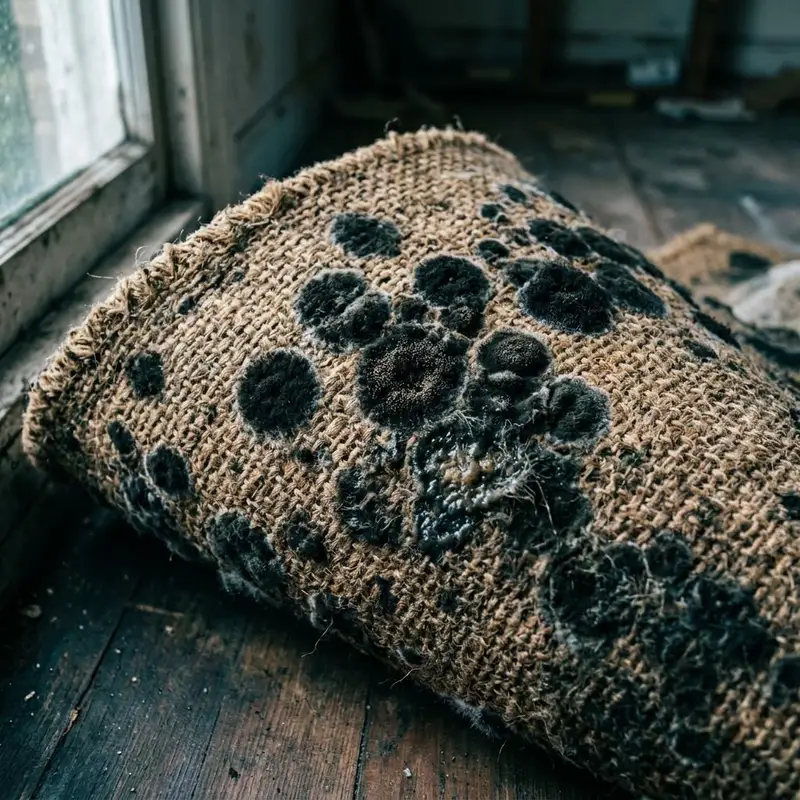
Another factor is the type of carpet. Many apartments use commercial-grade carpet tiles or low-pile broadloom that is glued directly to a concrete slab. This makes removal more labor-intensive, as the adhesive must be scraped off and the concrete thoroughly dried and treated. In some cases, the concrete itself may need professional drying equipment to eliminate moisture trapped in the slab. This is where the expertise of a team like Carpet Mold Removal Services Pros becomes valuable, as they understand the specific challenges of multi-unit buildings and the need for thorough drying and air quality management.
Rental Homes: Independent Structures and Direct Access
In a single-family rental home, the mold problem is usually confined to the property itself. The cause might be a leaking roof, a burst pipe, or poor drainage around the foundation. Because there are no shared walls, the source is often easier to locate. The homeowner or landlord has direct control over the property, so decisions about remediation can be made faster without needing to coordinate with a building association.
Remediation in a home often involves larger areas of carpet, but the process is more straightforward. The carpet and padding are removed, the subfloor is inspected, and drying equipment is set up. Homes typically have better natural ventilation, which can help speed up the drying process. However, homes are also more likely to have wood subfloors, which can absorb moisture and require careful drying to prevent warping or further mold growth. Crawl spaces and basements add another layer of complexity, as moisture can linger in these areas and re-infect the carpet if not addressed.
For tenants in a rental home, the key is to document the problem and communicate clearly with the landlord. Mold remediation in a home often requires the tenant to vacate for a few days, especially if the affected area is large. The cost and responsibility for remediation usually fall on the landlord, but the tenant must cooperate with access and cleaning schedules. A professional service like Carpet Mold Removal Services Pros can assess the home's specific moisture issues and recommend a plan that includes drying the structure and improving indoor air quality, which is essential for preventing recurrence.
Key Differences in the Remediation Process
While the basic steps of carpet mold remediation are similar, identify moisture, remove contaminated materials, dry the structure, and improve air quality, the execution differs. Here are some of the main contrasts:
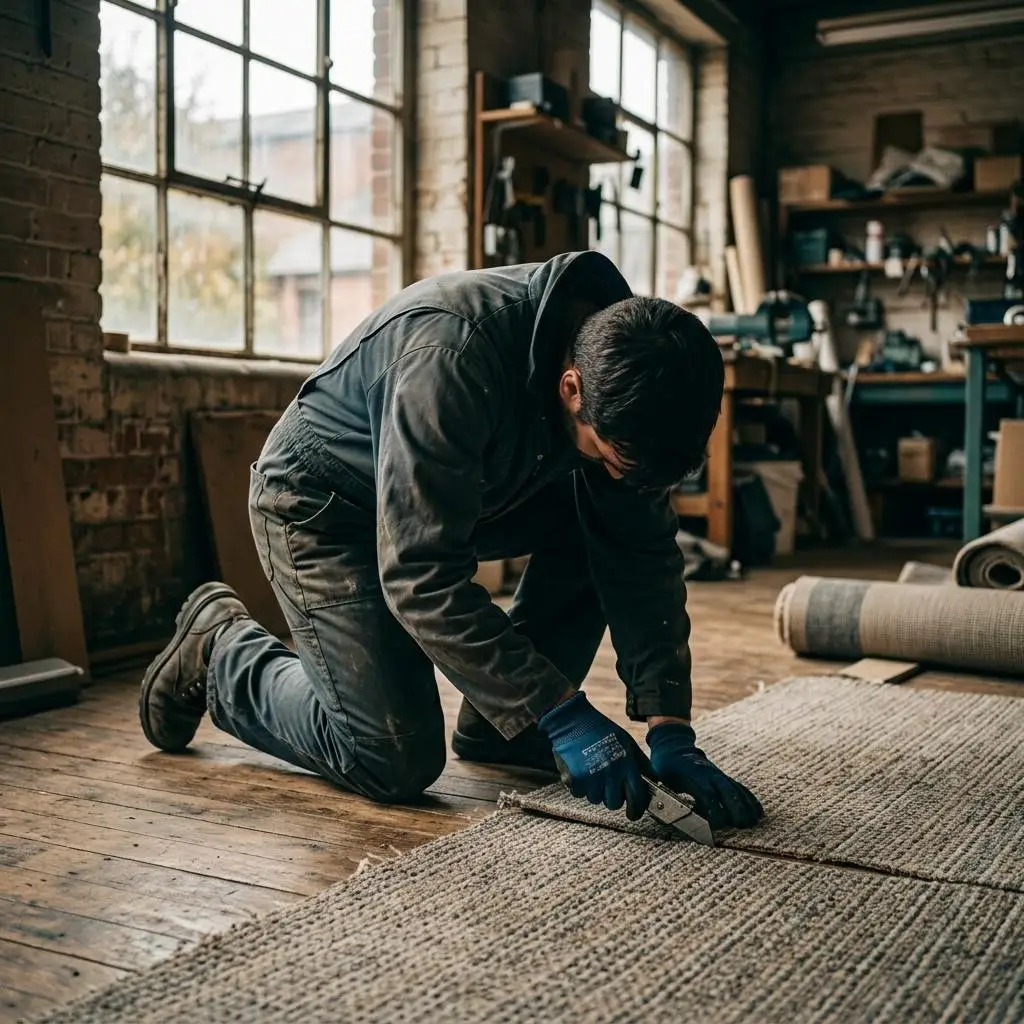
- Source identification: In apartments, the source may be hidden behind walls or come from other units. In homes, the source is usually within the property itself, like a roof or pipe leak.
- Coordination: Apartments require coordination with building management and possibly other tenants. Homes involve direct communication between tenant and landlord, with fewer stakeholders.
- Structural materials: Apartments often have concrete subfloors, which can hold moisture and require specialized drying. Homes typically have wood subfloors that need careful moisture control to prevent damage.
- Air quality concerns: Shared ventilation in apartments makes containment and air purification more critical. Homes may have separate HVAC systems, but mold spores can still spread through ductwork.
- Regulatory aspects: In many areas, landlords have specific legal obligations for mold remediation, and these can differ for apartments versus single-family rentals. Knowing your local tenant rights is important.
What Tenants and Landlords Should Know
If you are a tenant in an apartment, report any signs of carpet mold to management immediately. Take photos and keep records. The building's maintenance team or a hired professional should inspect the area and trace moisture sources. Do not attempt to clean large areas of mold yourself, as disturbing the spores can worsen air quality. In most cases, professional remediation is necessary to ensure the mold is completely removed and the underlying moisture problem is fixed.
For landlords of rental homes, regular inspections of the property's exterior and plumbing can prevent mold before it starts. If a tenant reports mold, respond quickly. Delaying remediation can lead to structural damage and health complaints. Work with a remediation company that understands residential properties and can provide a thorough drying and air quality improvement plan.
Prevention Tips for Both Settings
Preventing carpet mold is easier than fixing it. In both apartments and homes, controlling humidity is key. Use dehumidifiers in damp areas, ensure proper ventilation, and fix leaks promptly. In apartments, avoid placing furniture directly against exterior walls to allow air circulation. In homes, check crawl spaces and basements for moisture regularly. For both, consider using mold-resistant carpet pads and materials if replacement is needed.
When to Call a Professional
If the mold covers an area larger than a few square feet, or if you suspect hidden moisture in walls or subfloors, professional help is warranted. Companies like Carpet Mold Removal Services Pros specialize in identifying moisture sources, removing contaminated materials, drying structures, and improving indoor air quality. They can handle the complexities of both apartment and home environments, ensuring the job is done safely and thoroughly.
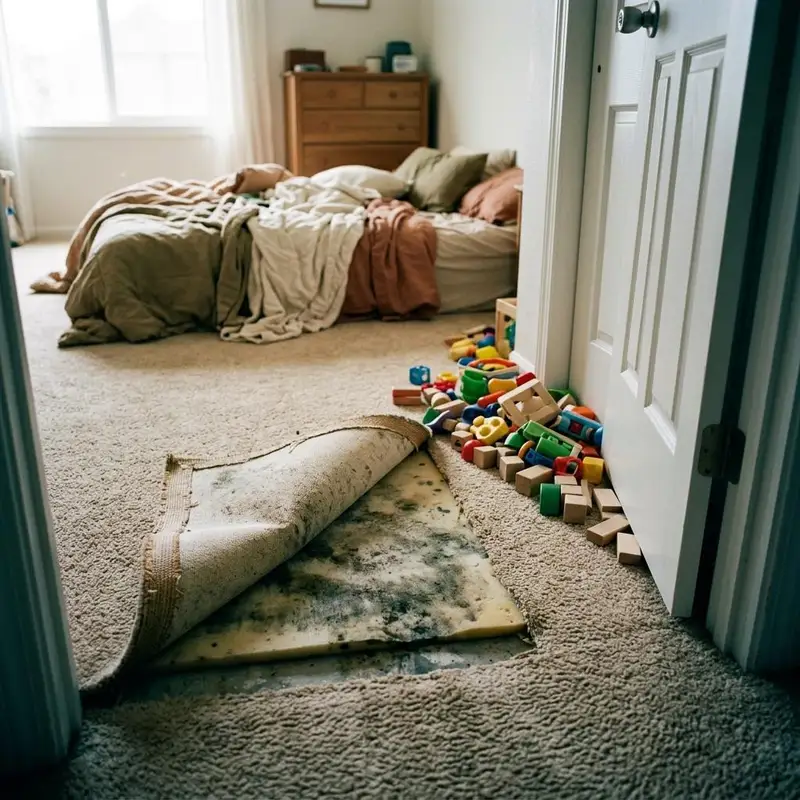
For more detailed guidance, you can visit carpetmoldremovalservices.com for resources on mold remediation and restoration. The site offers information on identifying moisture, removing contaminated materials, drying structures, and improving indoor air quality, topics that are relevant whether you live in an apartment or a rental home. Remember, addressing mold promptly protects both your health and the property's value.
Final Thoughts
Understanding how carpet mold remediation works differently in apartments and rental homes helps you take the right steps when problems arise. Apartments require careful coordination and often involve hidden moisture sources, while homes offer more direct access but come with their own structural challenges. In either case, professional remediation is the safest and most effective approach. By staying informed and acting quickly, you can minimize damage and maintain a healthy living space.